
Crisis call centers serve as lifelines for people in distress. Whether you're addressing mental health emergencies, disaster response, or domestic violence situations, these hotlines offer a safe and confidential space for callers to get help when they need it most.
This guide explains how to set up a hotline and start a crisis call center that actually works. You'll learn what it takes to plan, staff, equip, and launch a crisis call center step by step.
How to Set Up a Hotline
Setting up a hotline involves configuring your technology, establishing operational workflows, and launching your service. This isn't just about mission planning or theory. It's about the practical steps to get your hotline operational and ready to take calls.
The setup process includes:
- Technology configuration: Setting up call routing systems, databases, and scheduling platforms
- Operational workflows: Establishing protocols for call handling, escalation, and data management
- Launch preparation: Testing systems, training staff, and ensuring everything works before going live
Once configured and launched, your hotline needs ongoing management to maintain quality and effectiveness.
What Makes a Crisis Call Center Work
Contact centers are centralized hubs for managing calls, but crisis call centers have specific requirements that set them apart. Every successful crisis line relies on four components:
- Staffing: Hiring skilled personnel or volunteers who can handle sensitive calls with care
- Technology: Using tools like call routing systems, secure databases, and scheduling platforms
- Training: Preparing staff with de-escalation skills, active listening techniques, and scenario-based practice
- Operations: Establishing workflows that maintain consistency and quality across every shift
Tools like Helpline Software streamline these processes by combining call routing, performance tracking, and data management into one platform. Systems built specifically for crisis lines address the unique challenges of emergency response that general call center software often misses.
Why Crisis Call Centers Have Unique Needs

A crisis call center is a specialized hotline designed to provide immediate assistance to people facing emergencies. Some operate as anonymous lines to protect caller privacy. These centers typically address:
- Mental health emergencies: Support for anxiety, depression, or suicidal thoughts
- Disaster response: Assistance for individuals affected by natural disasters or accidents
- Domestic violence: A safe outlet for anyone experiencing abuse
Running a crisis hotline is a significant responsibility. Staff need to handle calls with care, and your technology should support secure call logging, instant reports, crisis callbacks, call routing, and analytics. The stakes are high because a missed call or mishandled conversation can have real consequences.
Planning Your Crisis Call Center
Planning is the most important step. A well-thought-out roadmap will help you navigate the logistics and avoid costly mistakes. Here's how to set a strong foundation.
Define Your Mission and Audience
Begin by clarifying your hotline's purpose. Will you focus on mental health, disaster relief, domestic violence, or another area of need? Defining the purpose early guides every decision, from staffing and training to marketing and funding.
Engage with stakeholders and community leaders early. This helps ensure your goals align with the needs of the population you aim to serve. It also helps you make key decisions, like whether your hotline will be anonymous or require caller identification for follow-up.
Research Requirements and Funding
Understanding legal and regulatory requirements is critical. Look into certifications, licensure, and compliance standards for operating a crisis hotline in your region. Research funding opportunities, including grants from government agencies, foundations, and philanthropic organizations.
Studying successful models can provide valuable insights. Attend industry conferences and connect with similar organizations to learn what works and what doesn't.
Create a Business Plan
A detailed business plan lays the foundation for your operation. Include:
- Goals and objectives: What outcomes do you want to achieve?
- Budget: Account for staffing, technology, training, and operational costs
- Timeline: Set milestones for launching and scaling
- Partnerships: Identify local agencies, nonprofits, or government programs that could support your work
- Success metrics: Define how you'll measure call volume, response times, and caller satisfaction
If writing a business plan feels overwhelming, consider hiring a consultant familiar with crisis call center operations. Resources like "Bankable Business Plans" can also guide you through the process.
Setting Up Your Crisis Call Center

Staffing Your Team
Hiring trained counselors or volunteers is a cornerstone of a successful crisis call center. Staff should undergo ongoing training and certifications to handle sensitive situations effectively. Role-playing exercises and scenario-based training prepare them for real-life calls better than classroom instruction alone.
Consider your coverage model carefully. Most crisis lines need 24/7 availability, which means either paid staff working shifts or a volunteer model with enough trained people to cover nights, weekends, and holidays.
Choosing the Right Technology
Equip your center with essential tools:
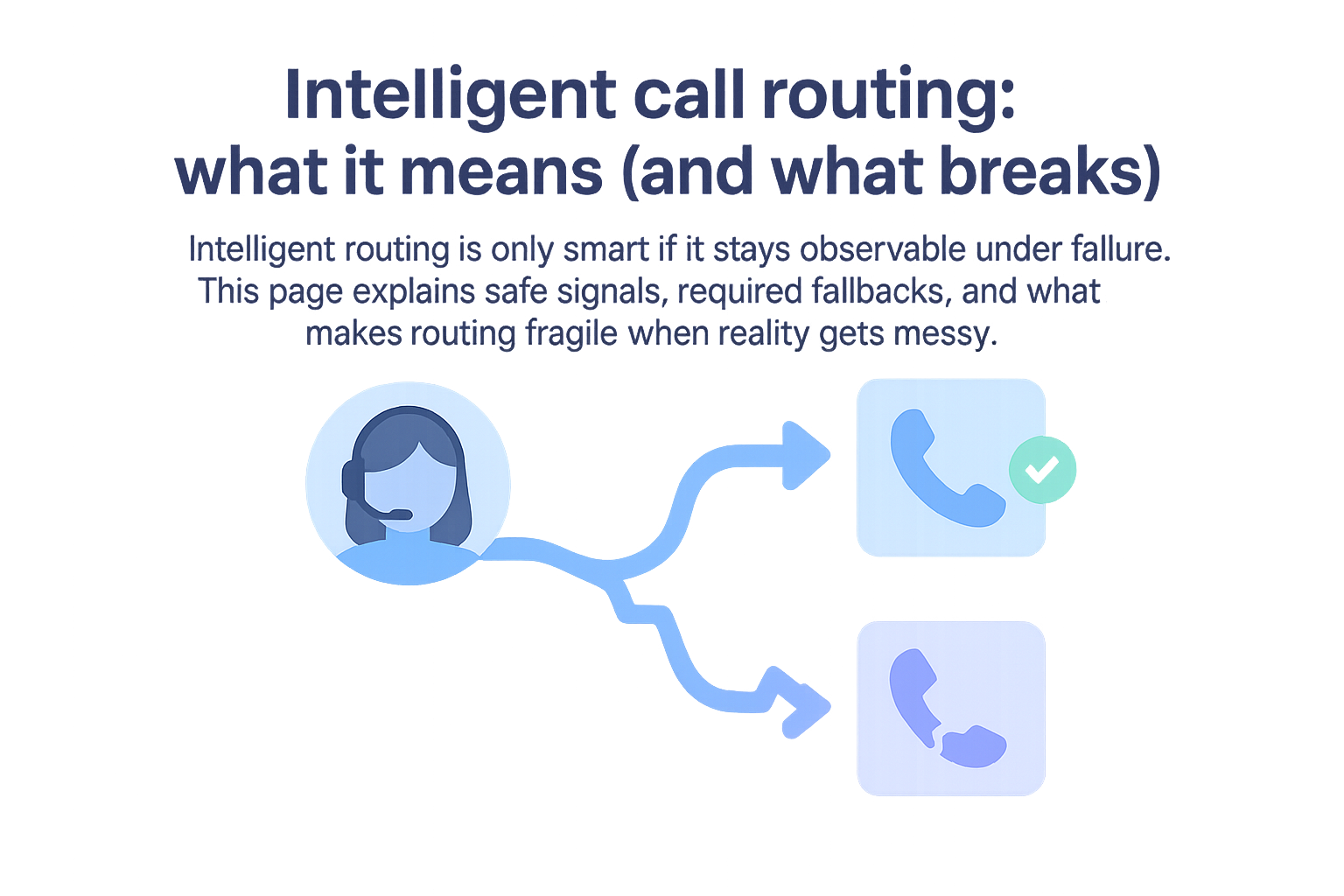
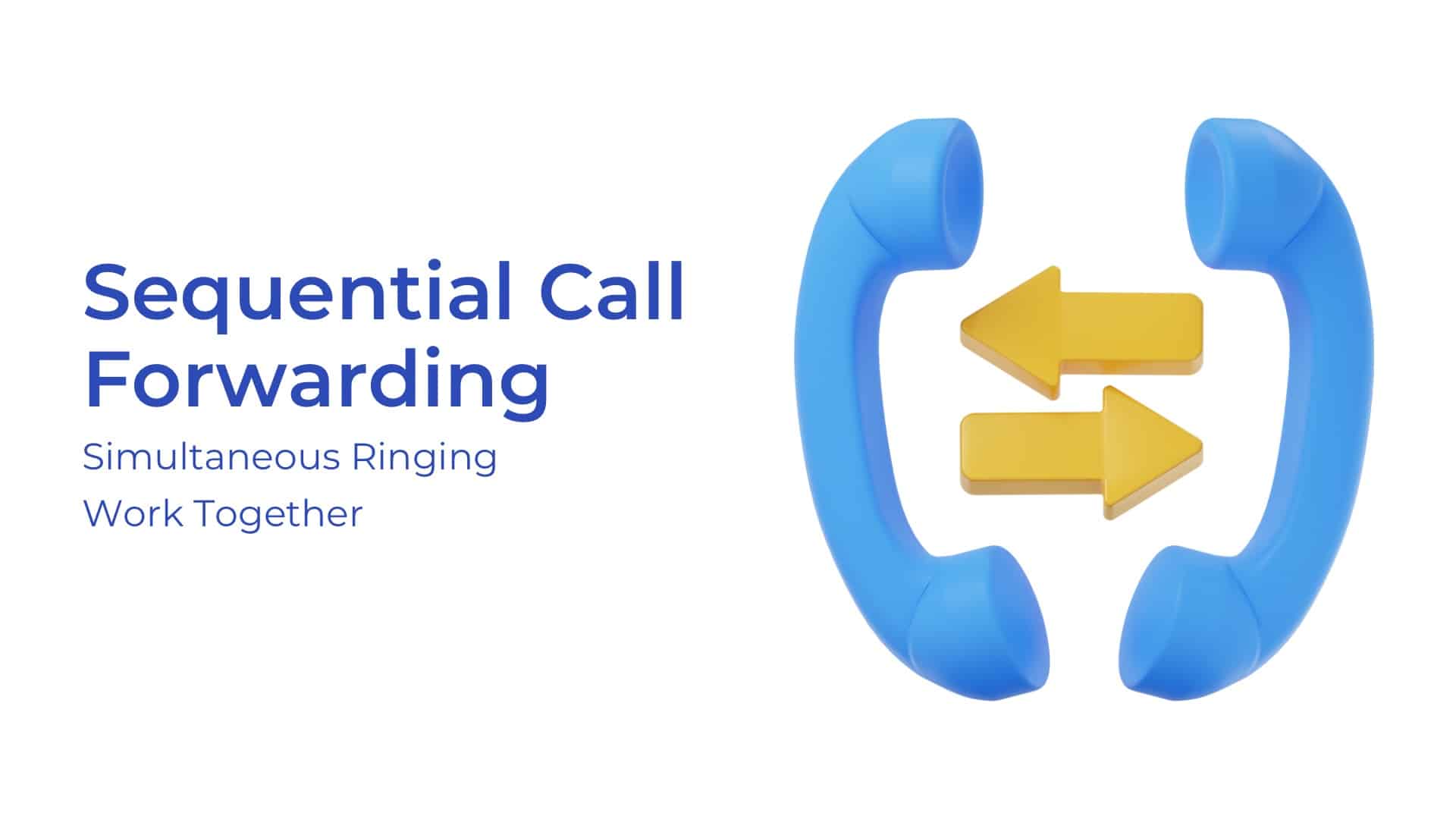
- Phone systems with call routing: Ensure calls reach available staff quickly using call routing software or sequential call forwarding. For a comprehensive framework on evaluating routing reliability, fallbacks, and audit trails, see call routing solutions.
- Secure data management: Protect caller information with a secure database
- Scheduling tools: Manage shift schedules without constant manual updates
- Reporting and analytics: Track call volume, response times, and staff workload
Helpline Software combines these features into one integrated platform, which reduces the administrative burden and helps prevent call center burnout by automating repetitive tasks.
Physical vs. Remote Operations
Decide whether your crisis call center will operate from a physical office or use a remote model. Remote setups can reduce overhead costs and allow you to recruit staff from a wider geographic area. Physical offices provide easier supervision and team support. Many organizations use a hybrid approach.
Launching and Operating Your Hotline

Establish Protocols and Training
Create clear protocols for handling common crisis scenarios. Document your escalation procedures so staff know when and how to involve supervisors or emergency services. Update training materials regularly to reflect new challenges and lessons learned.
Promote Your Hotline
People can't call if they don't know you exist. Develop marketing strategies including social media, partnerships with local agencies, and community outreach. Provide multilingual support if your community needs it.
If your agency is a nonprofit, you may be eligible for Google Ad Grants, which provides up to $10,000 per month in free advertising to promote your services.
Measure and Improve
Gather feedback from staff and callers to identify areas for improvement. Track metrics like call volume, response times, average call duration, and caller satisfaction. Use this data to adjust staffing levels, update training, and improve your technology setup.
Getting Started
Setting up and launching a crisis call center requires thoughtful planning, dedicated staff, and reliable technology. The investment is significant, but the impact is real. Organizations that get this right become essential resources for their communities.
- Define your mission: Clarify whether you'll focus on mental health, domestic violence, disaster response, or another crisis type.
- Research requirements: Investigate licensing, certifications, and compliance standards in your region.
- Secure funding: Identify grants, donors, and partnerships to cover startup and operating costs.
- Configure your technology: Set up an integrated platform that handles call routing, scheduling, and data management.
- Recruit and train staff: Build a team of counselors or volunteers with proper training and certifications.
- Launch and promote: Make your hotline accessible and visible to those who need it.
- Measure and improve: Track key metrics and continuously refine your operations.
Ready to build your crisis call center? See how Helpline Software works or contact our team to discuss your needs.
Frequently asked questions about starting a crisis call center
›How do you set up a hotline for crisis response?
Setting up a hotline requires configuring call routing technology, establishing secure data management systems, and implementing scheduling tools. You'll need to recruit and train staff, create operational protocols, and ensure compliance with local regulations. The process involves both technical setup and operational preparation before launch.
›What is a crisis center, and how does it differ from other call centers?
Crisis centers provide immediate support to people in distress. Unlike customer service call centers, they handle sensitive issues like mental health emergencies, domestic violence, or disaster response. Staff need specialized training in de-escalation, active listening, and crisis intervention.
›How much does it cost to set up a crisis hotline?
Costs vary widely based on staffing model, technology, and location. Expect to budget for phone systems, software, training programs, and operational space. Many organizations offset costs through VOCA grants, foundation funding, or community partnerships. A small volunteer-based hotline might launch for under $20,000, while a 24/7 staffed operation could require $100,000+ annually.
›Can crisis call centers operate remotely?
Yes. Many crisis call centers operate fully remote with the right technology. Secure call routing, data management, and scheduling tools make remote operations viable. Remote models reduce overhead and allow you to recruit staff from a wider area, though they require more intentional supervision and team connection.
›What training do crisis counselors need?
At minimum: active listening, de-escalation techniques, and protocols for handling suicidal ideation, abuse disclosures, and other sensitive topics. Many states require specific certifications. Ongoing training and regular supervision help maintain quality and prevent burnout.
›How do you measure success for a crisis hotline?
Track call volume, response times, call abandonment rates, and average handle time. Caller satisfaction surveys (when appropriate) and staff feedback help identify areas for improvement. Many funders also require specific outcome reporting, so build data collection into your operations from the start.